
OUR STORY
How a small tool one repairer built for his own work grew into a service used by repair shops around the world.
TIMELINE
Early days
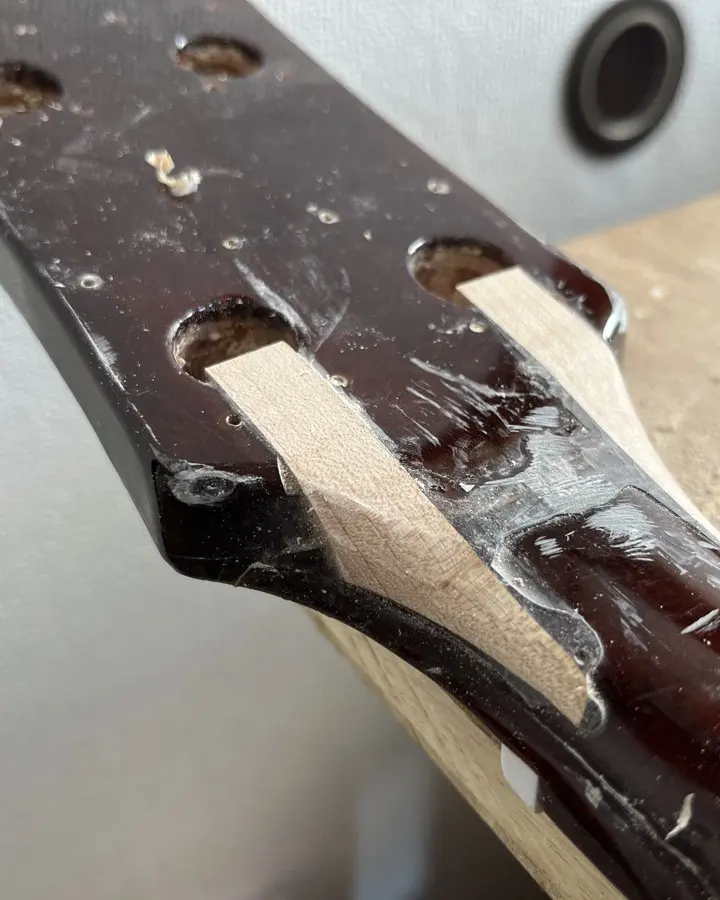
Our founder, Shotaro Aoki, grew up fixing old cameras and instruments by hand. After graduating from vocational school he took on repair intake at a music shop and began repairing instruments himself.
2022
He started his own instrument-repair business, taking on guitars and basses from music shops and workshops. He soon noticed that paper slips and "how is my repair going?" calls were taking almost as much time as the repairs themselves.
At the bench
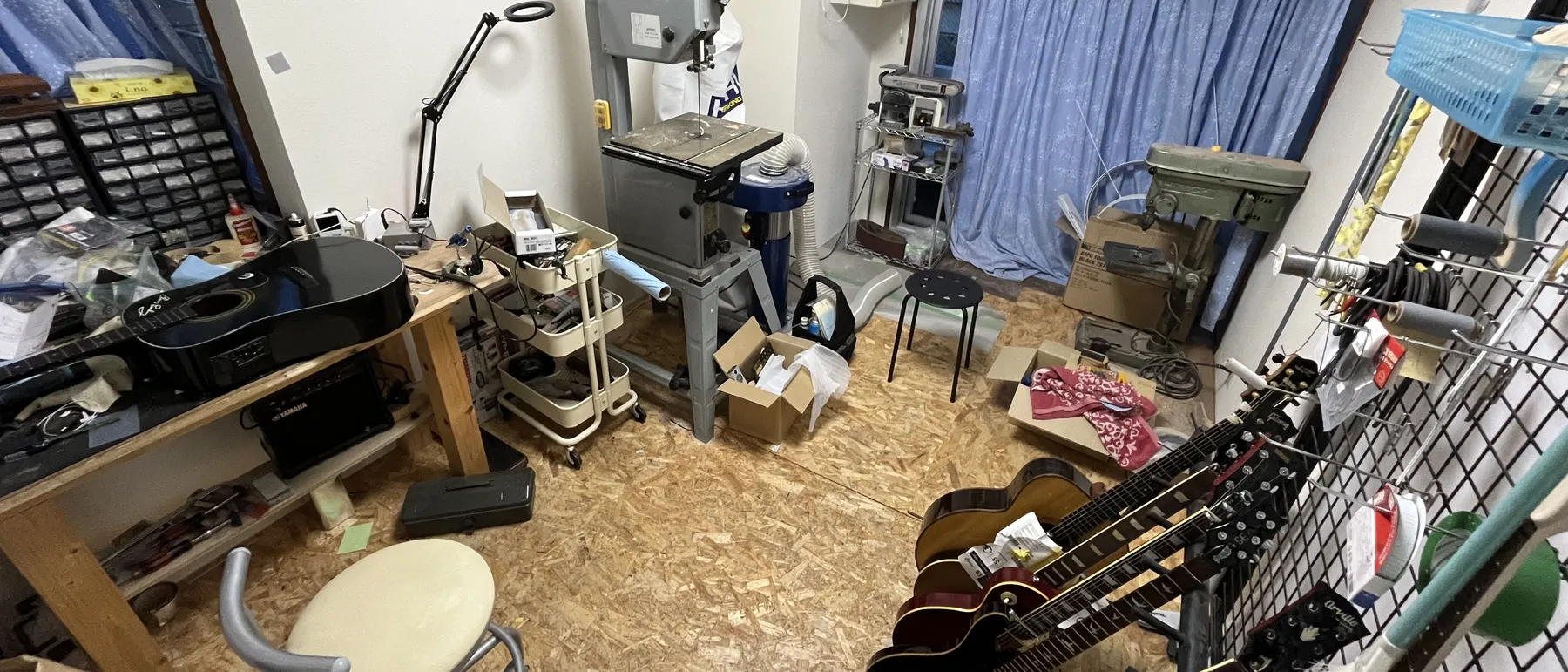
He replaced the paper behind intake, customer updates and records with a system of his own. Using it between repairs and fixing what got in the way, little by little, became the foundation of Repair Karte.
2026.07
Many other repair businesses share the same problems, so he opened it up as a service for repair shops: Repair Karte.
2026.09
Repair shops outside the instrument world began signing up. After the English version went live, shops abroad started using it too, many of them after an AI assistant recommended it.
2026.10
The business itself took the name Repair Karte. POS and inventory opened to every shop, so intake through checkout now runs in one place.
Today
Repair shops in Japan, Canada, the United States, the United Kingdom, Mexico and beyond now use Repair Karte. The founder still repairs instruments and keeps improving it based on what he hears from the bench.
NEXT
We cannot solve every challenge facing the repair industry alone. But we believe that organizing intake, records and communication, and creating time and breathing room in the workshop, leads to skills being passed on and to a future for repair.